Mattress toppers enhance sleep surfaces by adding cushioning, pressure relief, and insulation without altering the fundamental support of the underlying mattress. In the category of Mattress Topper, materials such as foam, latex, and organic options influence contouring, temperature regulation, and durability. Understanding product construction helps identify suitability for different sleep positions and body types. Key features to consider include thickness, density, and fill material.
Certified Organic Crib Mattress Topper highlights a safety-focused approach for infant sleep environments, emphasizing non-toxic materials, GREENGUARD or similar certifications, and hypoallergenic components. These toppers aim to reduce agitation and improve sleep quality for babies by providing a stable, breathable, and easily cleaned surface that remains gentle on developing bodies.
Latex toppers, whether natural or blended, offer resilient support with buoyant contouring that maintains spinal alignment. They are often praised for durability and breathable perforations that support airflow. In the context of bedding and sheets, latex toppers pair well with organic mattresses and compatible pillow selections to sustain comfortable sleep climates.
Foam toppers, including memory foam and polyfoam blends, vary in density and ILD (indentation load deflection), influencing hug, responsiveness, and temperature management. Higher-density foams tend to provide lasting support, while open-cell or gel-infused designs can assist with heat dissipation. For crib or child sleep surfaces, safety standards and washability remain essential considerations.
When evaluating mattress toppers, assess compatibility with existing bedding, including fitted sheets and protectors, and consider the overall sleep environment comprising pillows, sheets, and organic mattresses. For crib applications, prioritize certifications, cleaning ease, and minimal off-gassing to support safe, restful use in small-scale sleep spaces.
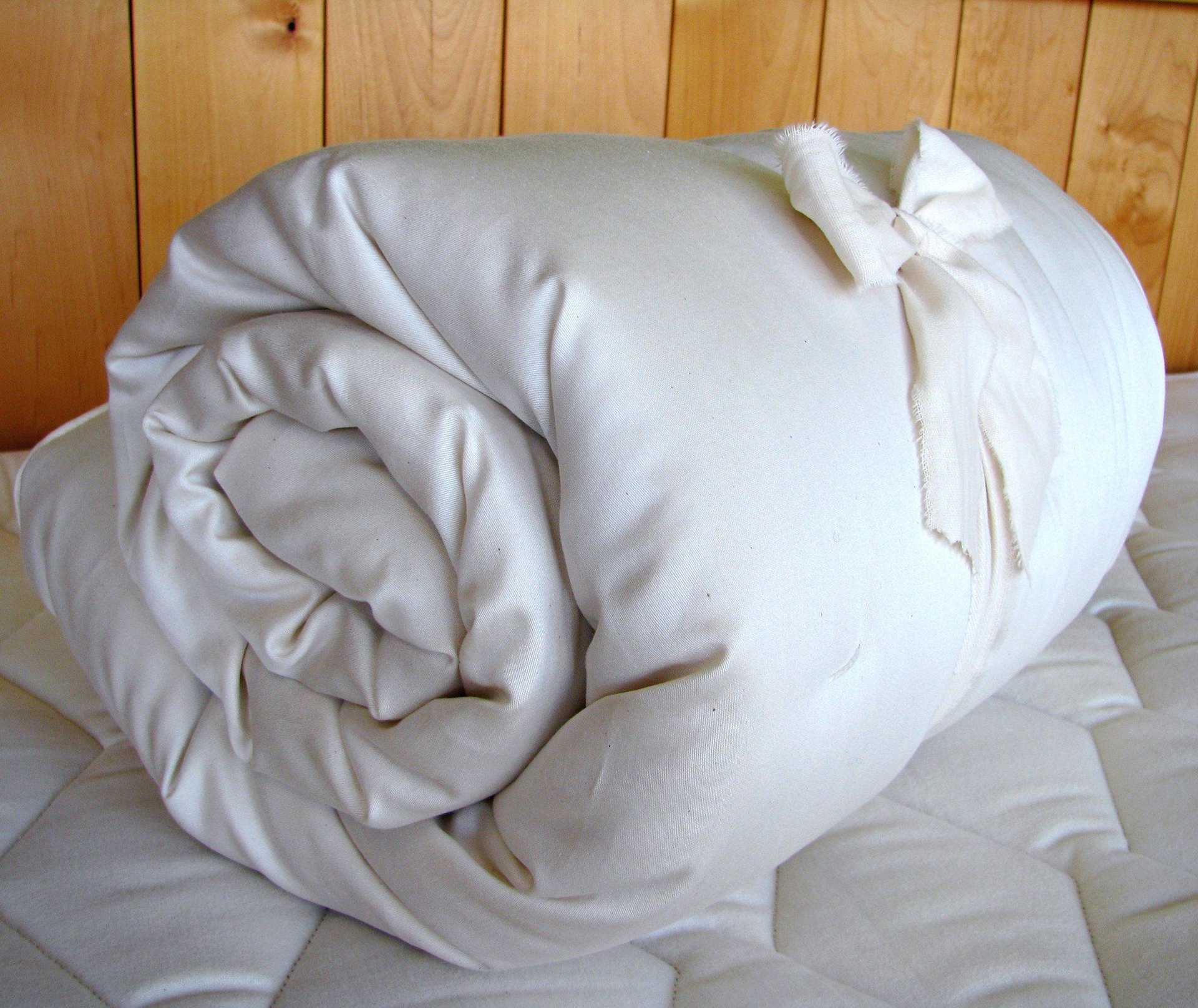 Bedding