Comforters are essential components of a well-rounded sleep system, designed to regulate warmth while providing a soft, breathable outer layer. In this category, the emphasis is on materials, construction, and temperature preferences. Understanding the differences between weight, fill, and fabric helps match a comforter to seasonal needs and personal comfort, supporting quality rest and restorative sleep.
Key features to consider include fill type, insulation level, and cover fabric. For example, a wool-filled option tends to regulate temperature through natural moisture-wicking properties, while synthetic fills may offer lighter warmth and easier care. The right combination supports consistent sleep by minimizing overheating and cold spots throughout the night.
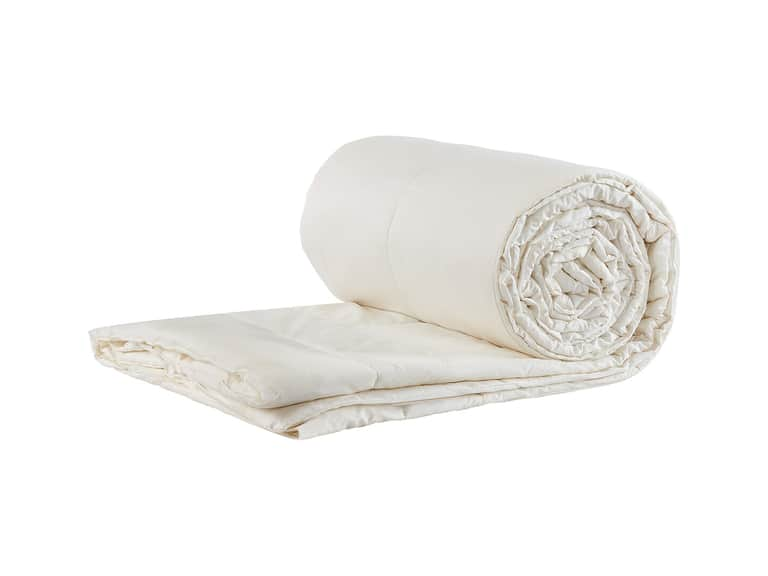
Product-specific insights reveal how each option functions within a full sleep environment. The Sleep and Beyond myMerino Wool Comforter Light emphasizes breathable warmth suitable for moderate climates, whereas the Sleep and Beyond myComforter provides a balanced loft for year-round use. The Sleep and Beyond myComforter Light prioritizes compact warmth for warmer rooms or sleepers who prefer lower bulk.
Materials and construction speak to durability and care. Merino wool typically offers temperature regulation, moisture management, and a softer hand feel, while cotton covers can enhance softness and washability. Considering care guidelines and fabric finishes helps preserve loft, insulation, and overall comfort without compromising comfort or hygiene.
Across this category, compatibility with bedding formats such as sheets, pillows, and organic mattresses matters for overall sleep ergonomics. Evaluating use cases—from cool sleepers to those seeking cocooning warmth—alongside natural materials like latex or organic fibers informs appropriate choices for restful nights and long-term sleep health.
 Bedding